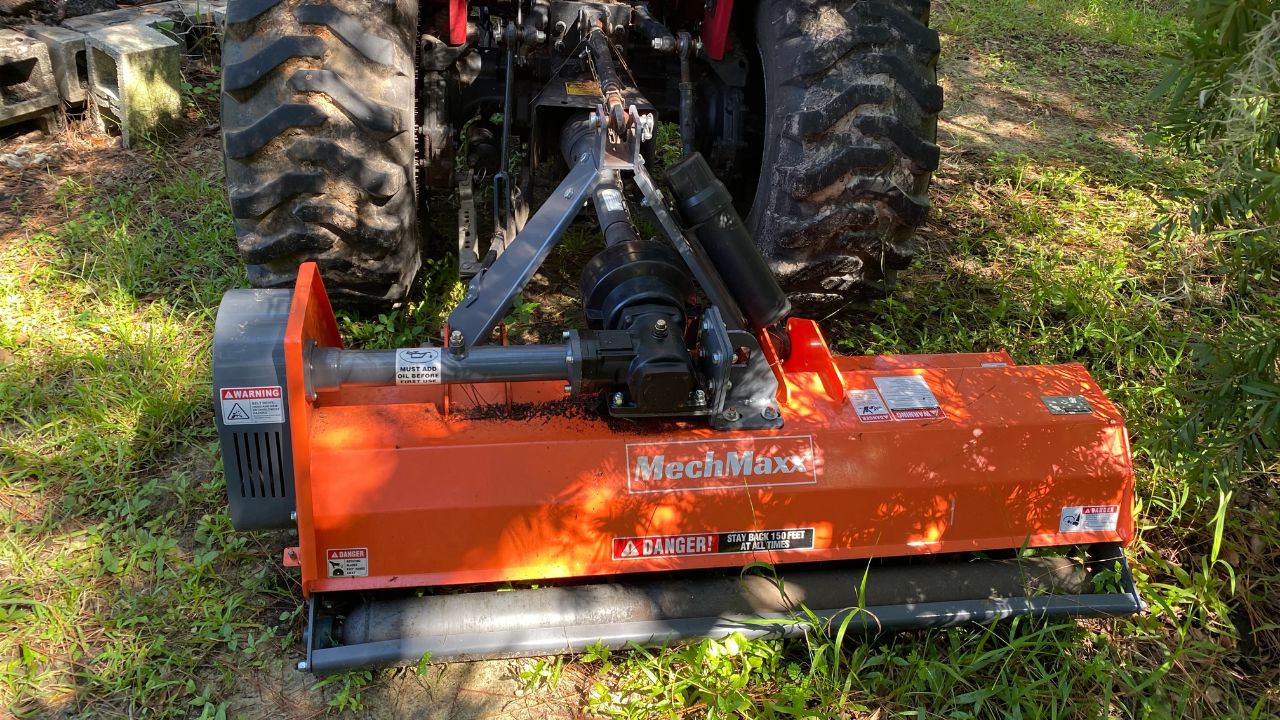
The blades for flail mower hammer have a very essential role in the efficiency and effectiveness of vegetation management. The choice of the blade type to fit a specific piece of equipment may greatly affect the results of cutting, the costs of running the equipment, and its service life. JYF Machinery, thanks to decades of experience in the manufacture of heavy-duty blades, puts stress on the necessity to adjust blade specifications to the mower and the material processed.
Understanding Flail Mower Hammer Blades
Flail mower hammer blades are made in harsh conditions, whereby conventional cutting tools may fail. They are also designed unlike normal Y blades in that the hammer blades are constructed so that they can take repeated hits at dense grass, brush, and even small woody materials. They are well built and have high cutting efficiency, and the unusual shape is designed to guarantee a consistent performance in different terrain types. Good quality of hammer blades, like that of JYF machinery, is forged to precise requirements, thereby increasing durability and wear resistance.
Assessing Equipment Compatibility
The process of selecting the appropriate flail mower hammer blade starts with the knowledge of the specifics of the equipment itself. The sizes of each rotor, the pattern of bolts, and the speed at which each flail mower works determine the type of blades that can safely and effectively be fitted. A blade that is not in line with the design of the mower may result in a lack of balance, too much vibration and early wear of both the blade and the machine. JYF Machinery offers several types of hammer blades of different sizes and shapes to fit all types of flail mowers, including forestry machines and agricultural ones.
Evaluating Material and Terrain Requirements
Another important consideration is the material that is being cut. A blade used on light grass and soft plants will not be the same that would be used in thick brush, woody debris or mixed terrain. Choosing a blade that has been over-engineered to cut through soft vegetation can prove to be unnecessary, and a blade that is underperforming in hard material will wear out fast and cost production. The blades of JYF Machinery are designed to suit a particular use, and the blades are optimized for either forestry, roadside maintenance, or land clearing. Their wear-resistant materials are very durable in terms of performance, even in the most demanding of settings.
Understanding Blade Construction
The performance of flail mower hammers depends on the flail mower’s construction of blades. Precision forging makes the internal structure of the steel grain aligned, which leads to high strength and density. Heat treatment also enhances toughness, thereby making the blade absorb repeated blows without cracking or chipping. Also, the geometry of the blade, such as the thickness, the length and the swinging angle influence the cutting efficiency and the quality of the material that has been mulched.
Considering Maintenance and Replacement
The process of selection should also be affected by maintenance requirements. Flail mower tools must be regularly checked with a hammer blade to determine whether they are worn, deformed, or damaged. Blades that are easier to maintain and replace will decrease downtime and ensure smooth running operations. JYF Machinery makes its blades to be easily installed and to have a long life span, therefore making the number of replacements minimal and reducing the overall cost of operation. Well-maintained blades on the hammer can help to increase the life of the mower, save on fuel, and provide uniform results during their life span.
Making the Right Choice
The right flail mower hammer blade is a tradeoff between the specification of the equipment, the requirements of the material and the requirements of the operation. The high-quality and application-specific blades are also invested in to ensure the cutting performance is improved and the equipment is not overly worn and damaged. JYF Machinery pays attention to the fact that it must collaborate with professional manufacturers in order to make sure that every blade is of the highest quality in regard to durability and efficiency.
Conclusion
The selection of a flail mower hammer blade cannot be done by merely picking the first one that comes along. One has to be careful with the design of the mower, the material being cut, as well as the environment in which the mower is to be operated. Knowing how to build blades, their compatibility and their maintenance requirements helps operators achieve as much productivity as possible at minimum cost. The forged and heat-treated hammer blades of JYF Machinery provide a good solution to this problem, providing good cutting performance, long service life, and good results in a large variety of applications. With the proper blade investment, flail mower equipment can be used to its full capacity, and every task of clearing the land and the plants should be more effective and sustainable.